Computational Design Lab
2020-2024 | Computational design | Gh
Intersection of Computational Design and Nature
I started learning Grasshopper in 2020, when the world was on pause due to the COVID-19 pandemic. I was particularly interested in the intersection of computational design and designing the natural world. Unlike typical modeling methods, computational modeling does not model objects, but rather designs the process of how objects are made. I think this is similar to how natural objects are made based on the laws of physics, genes, etc.
Nenkin
This is an experiment using Grasshopper to create raindrop like shapes. I used an algorithm called shortest path, which recursively finds the closest point in a point cloud. This reminds me of slime mold (nenkin in Japanese), which I believe are caused by similar phenomena.
Gh file: Nenkin.gh
Reaction diffusion
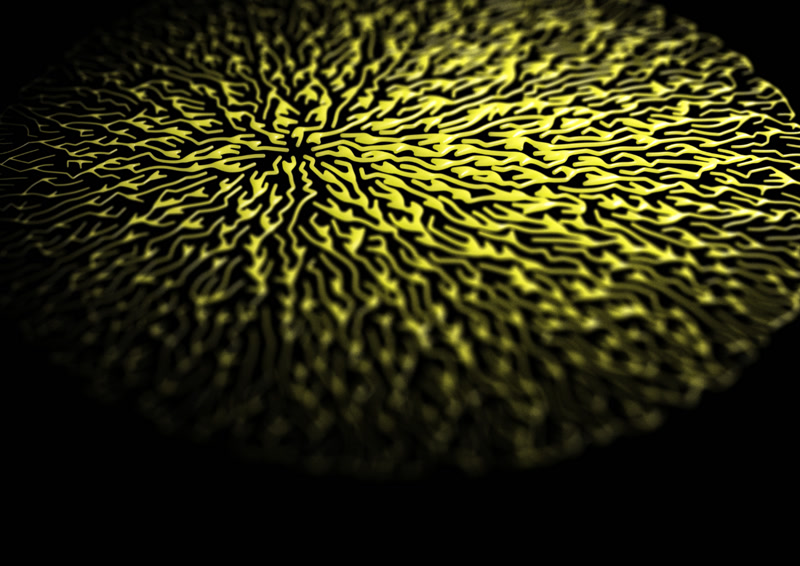
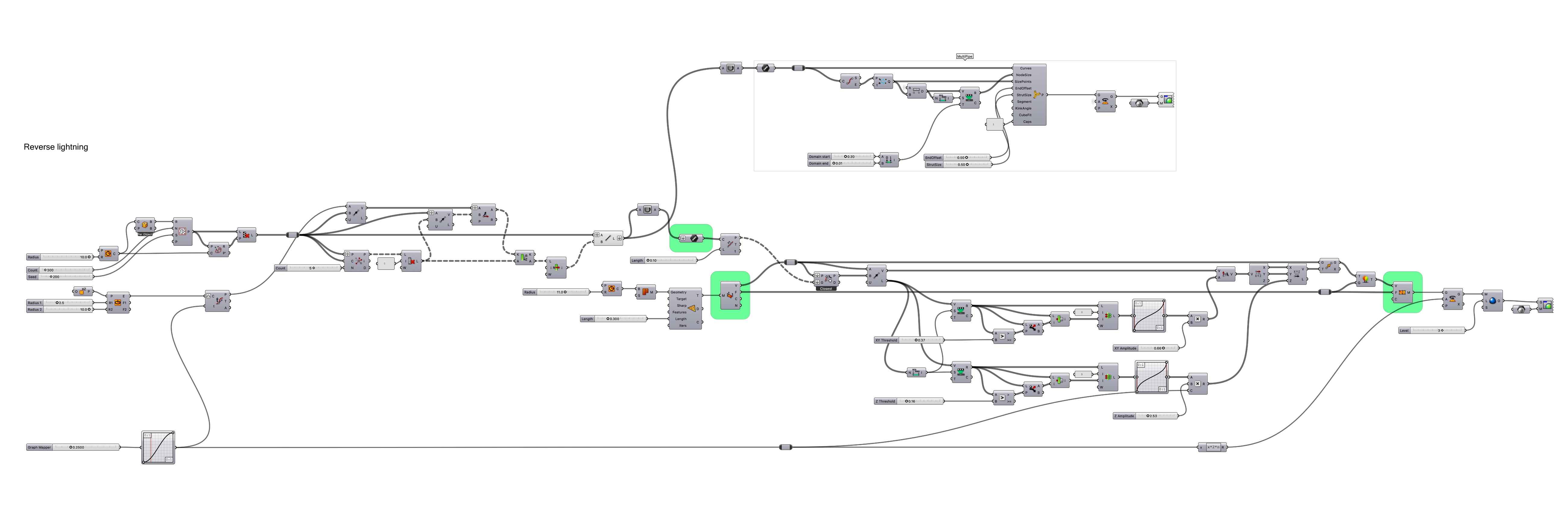
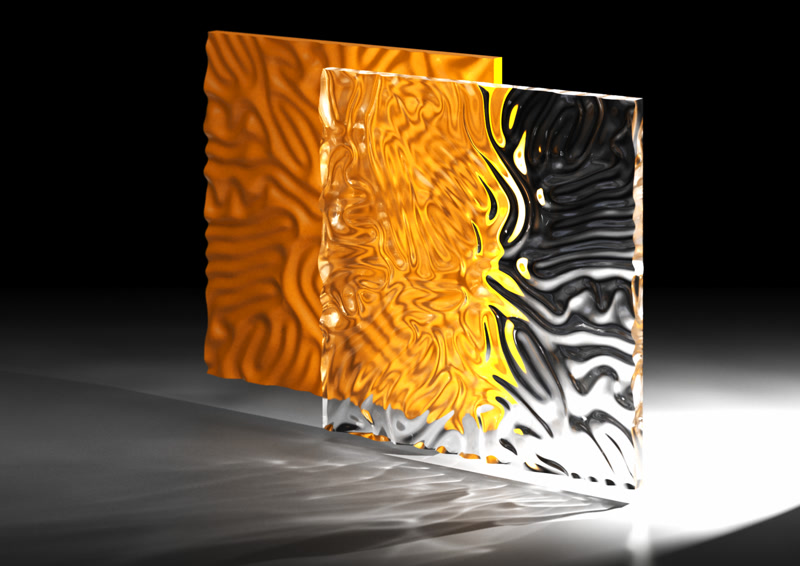
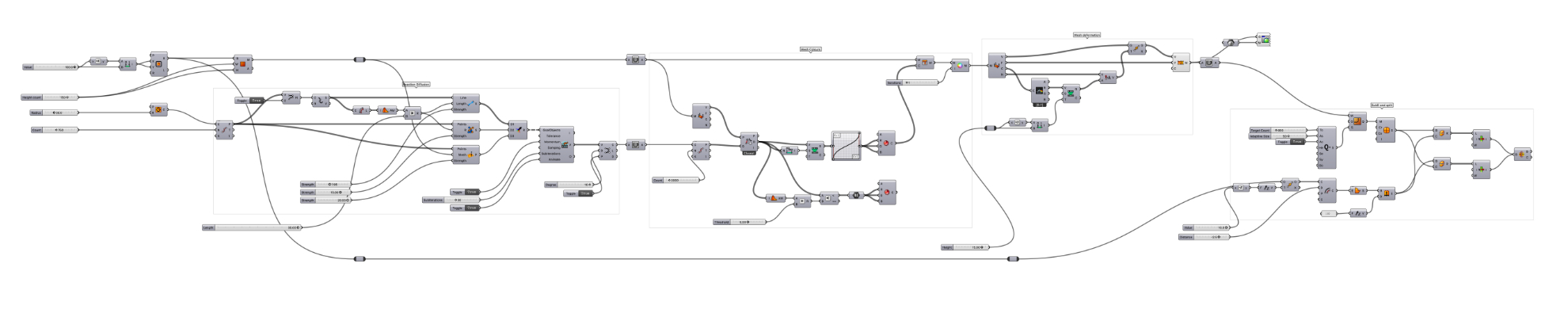
Reaction-diffusion is a rule-based simulation in which values repeatedly react and diffuse between adjacent points, producing emerging patterns similar to those found in coral reefs and other natural systems. These examples apply that logic to curve generation, curve expand while avoiding mutual interference, driving deformation across both a flat surface and a sphere.
Gh file: ReactionDiffusion_mesh.gh
Topology optimization
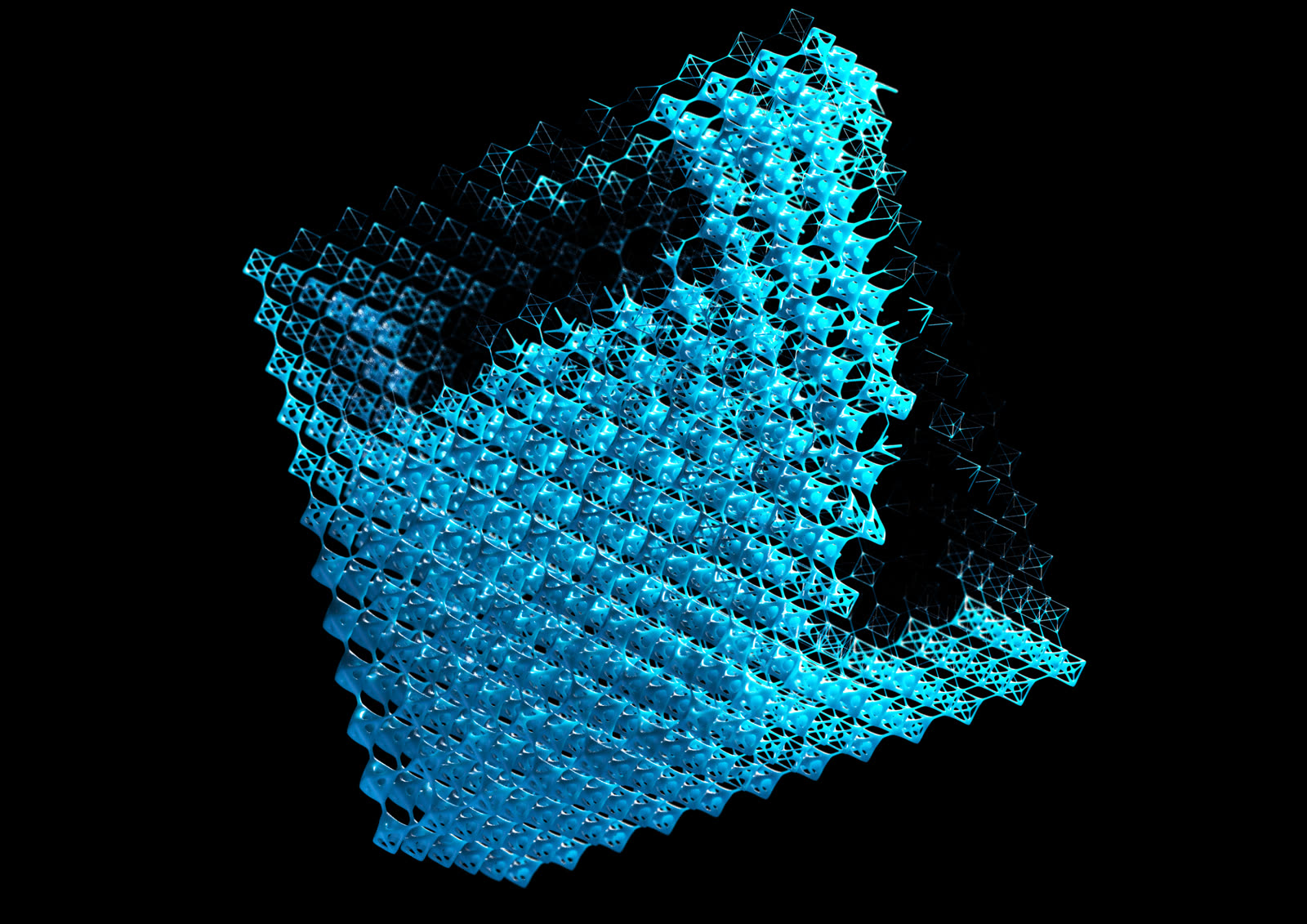
An example of applying topology optimization to a lattice structure, optimizing the radius of each beam.
Waves
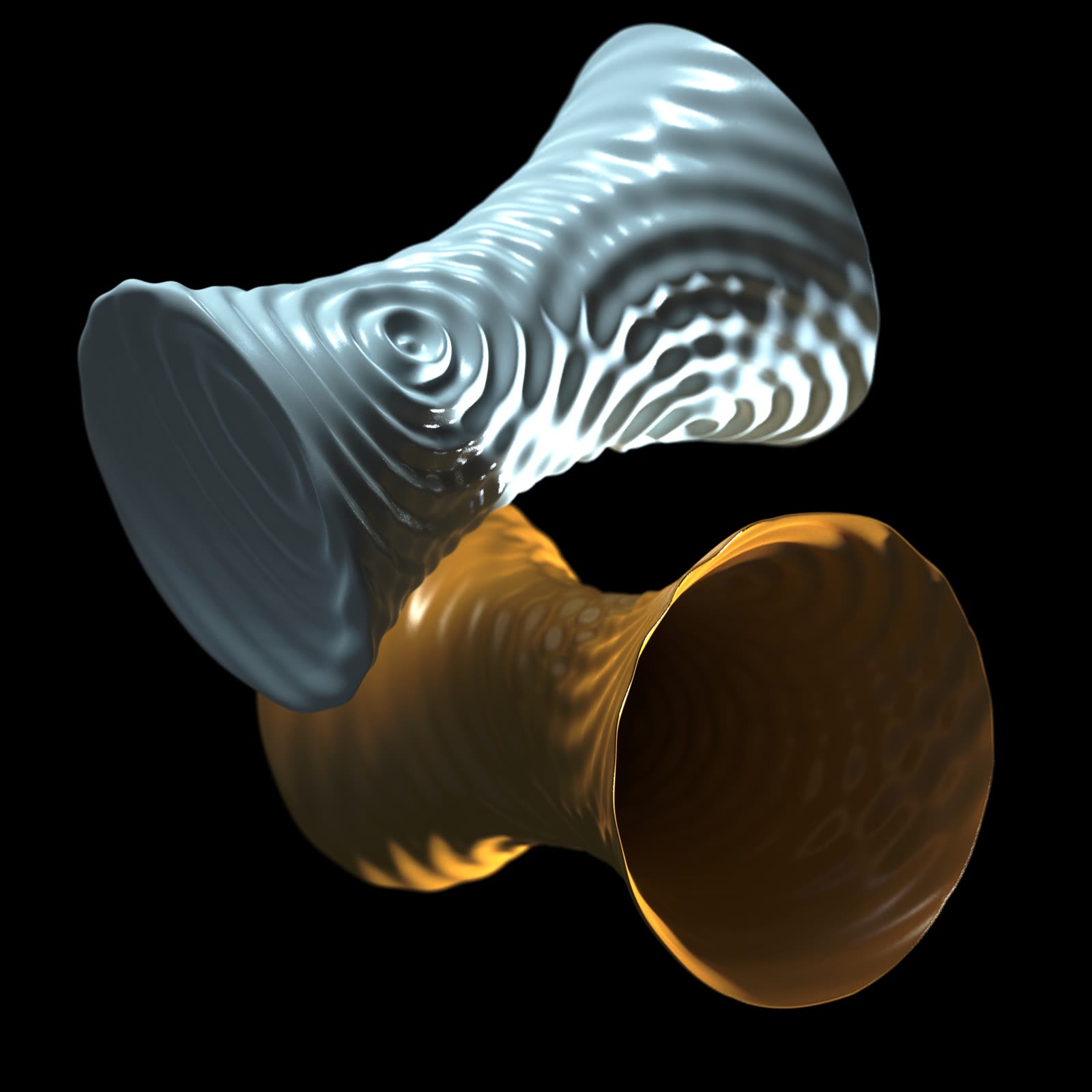
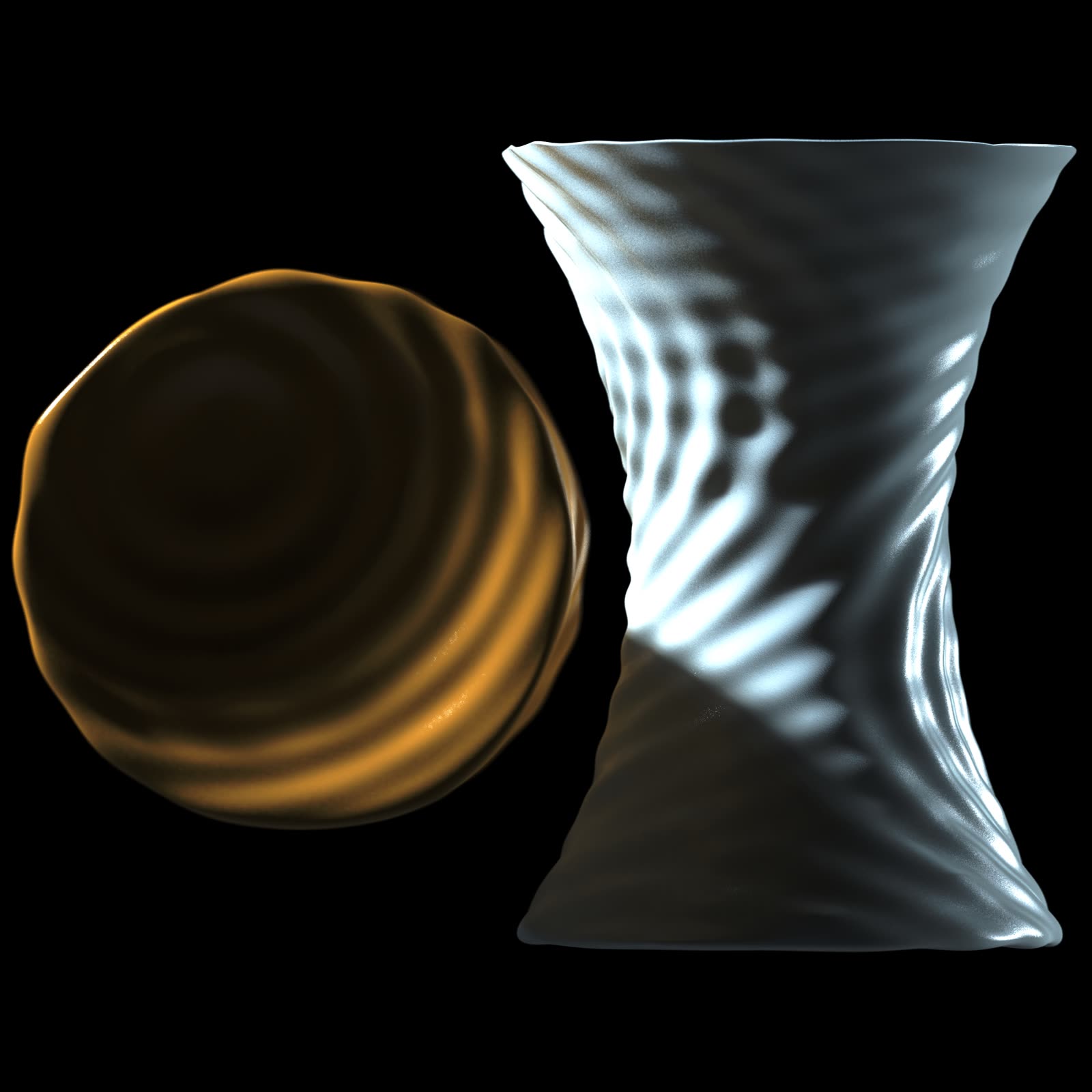
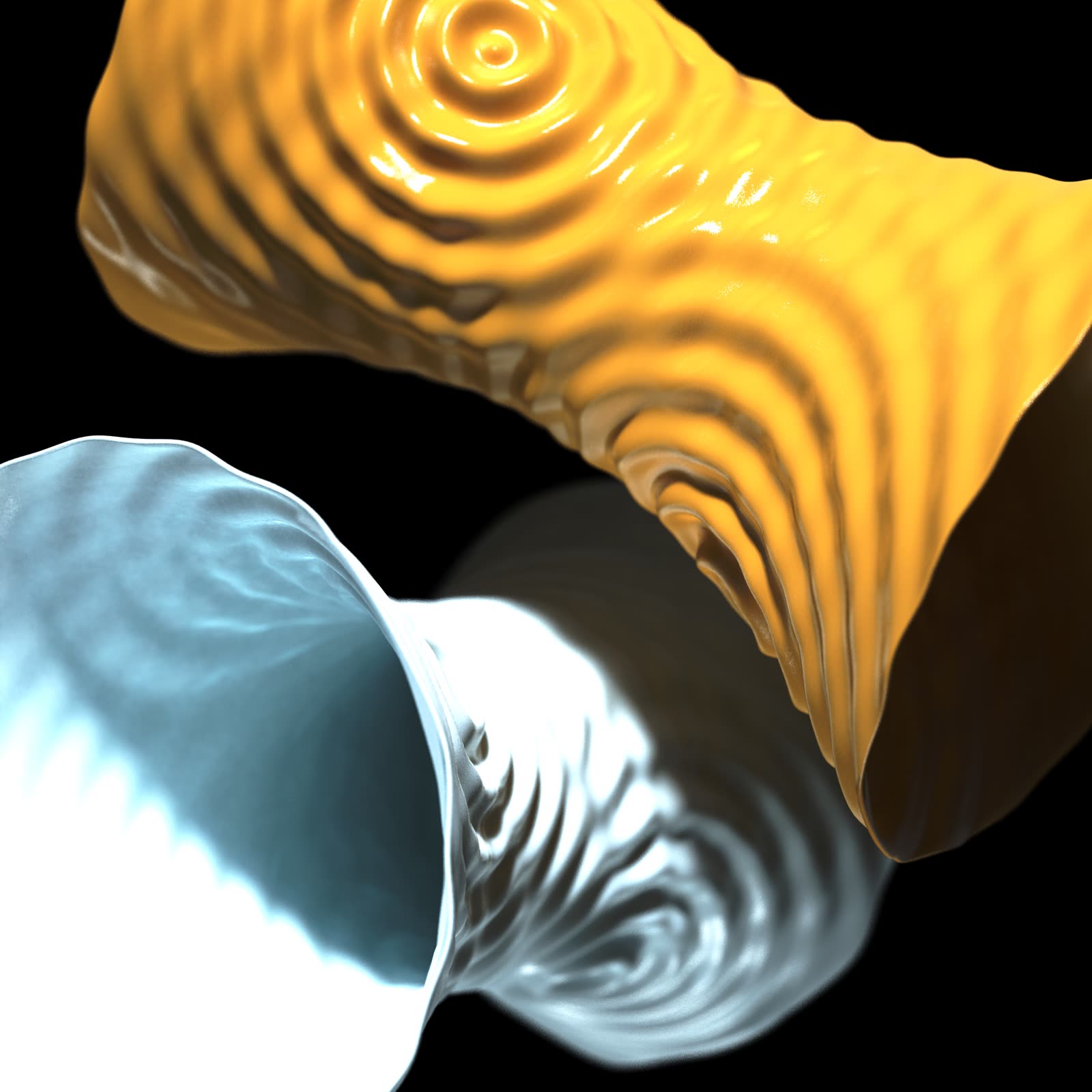
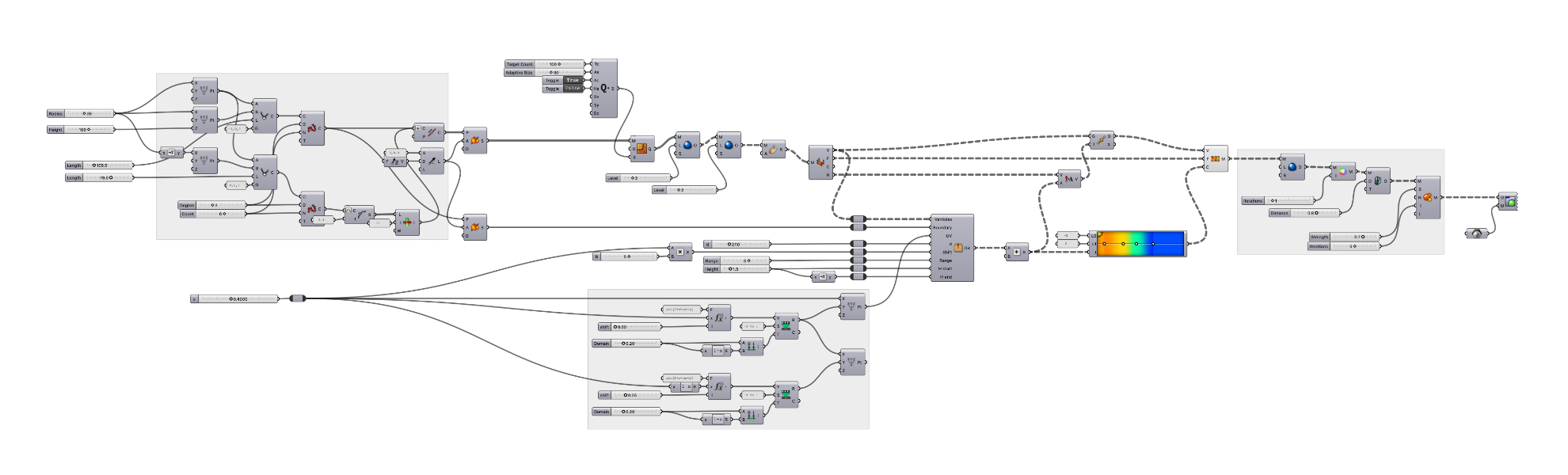
An example of creating a natural waveform by applying multiple waves to a mesh.
Gh file: Wave_mesh.gh